All Concerning the Function of an Emulsifier in Food and Its Relevance in Modern Food
Emulsifiers are pivotal in contemporary cuisine, helping with the blend of immiscible liquids like oil and water. Their ability to stabilize mixtures improves the appearance and taste of numerous food items. From salad dressings to baked items, emulsifiers play a considerable function in both business and home cooking. Yet, the scientific research behind their feature and the future innovations in their usage remain less discovered. Emulsifier In Food. What much more could be uncovered about these vital cooking agents?
Comprehending Emulsification: The Science Behind the Process
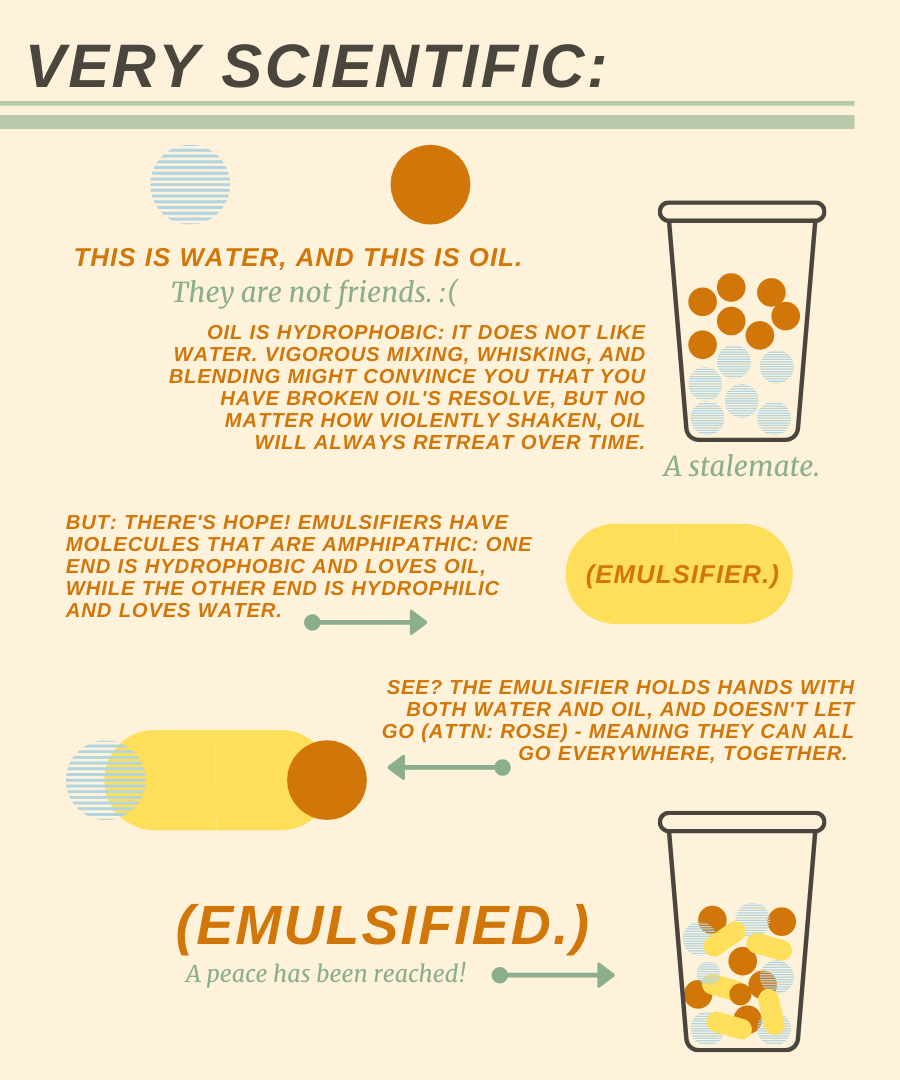
Emulsification may appear like an easy cooking strategy, it entails complex clinical principles that are crucial for creating steady mixes of immiscible liquids, such as oil and water. At the heart of this process exists the concept of surface area tension, which stops the two fluids from blending naturally. Emulsifiers, substances that lower surface area stress, play a crucial role in facilitating the combination of these fluids. They possess both hydrophilic (water-attracting) and hydrophobic (water-repelling) homes, allowing them to anchor themselves at the user interface between oil and water.
When an emulsifier is introduced and the blend is agitated, it forms a safety barrier around dispersed beads of one liquid within the various other, stabilizing the combination. This action not just enhances structure and mouthfeel in foodstuff but likewise adds to their visual appeal. Emulsifier In Food. Comprehending the science behind emulsification is essential in contemporary food, permitting cooks to create a range of sauces, dressings, and emulsified meals
Common Sorts Of Emulsifiers Utilized in Food
Emulsifiers are necessary active ingredients in the food industry, playing a crucial role in supporting mixes of oil and water. Numerous kinds of emulsifiers are typically utilized, each with unique homes suited for different applications. Lecithin, originated from soybeans or egg yolks, is among one of the most preferred natural emulsifiers, commonly located in dressings and delicious chocolates. Mono- and diglycerides, which are acquired from glycerol and fats, are extensively used in baked products and margarine to improve structure and prolong service life. Another common emulsifier is polysorbate 80, preferred for its ability to improve the consistency of ice lotions and sauces. Additionally, xanthan gum tissue and guar gum tissue offer as thickening representatives that also add to emulsification in gluten-free products. These emulsifiers are integral to creating a stable, palatable product in modern-day food formulations, ensuring a pleasurable sensory experience for customers.
The Duty of Emulsifiers in Various Food Products
A range of food products depend on emulsifiers to achieve desired textures and security. These substances promote the mixing of immiscible liquids, such as oil and water, which is necessary in numerous refined foods. In salad dressings, emulsifiers help keep a consistent combination, stopping separation and improving rack life. In baked items, they contribute to an uniform crumb framework and dampness retention, boosting general quality.
Emulsifiers likewise play a considerable function in dairy items, such as ice lotion and yogurt, where they maintain fat globules, making sure a smooth mouthfeel. In addition, in sauces and condiments, they improve thickness and improve spreadability. This capability is important in the production of chocolates, margarine, and mayo, where a cohesive item is required. Generally, using emulsifiers in numerous food items is important to contemporary food production, enhancing stability and uniformity across a vast array of items.
Just How Emulsifiers Enhance Structure and Taste

When included right into foodstuff, emulsifiers considerably improve both structure and flavor, developing an even more delightful eating experience. These materials facilitate the blending of active ingredients that commonly do not blend well, such as oil and water, leading to a smoother, creamier consistency. This not just improves mouthfeel yet also permits flavors to spread uniformly throughout the item, amplifying the total preference.

Emulsifiers in Home Food Preparation: Tips and Techniques
Just how can home chefs successfully use emulsifiers to enhance their dishes? Emulsifiers play an essential function in accomplishing desirable textures and flavors in homemade dishes. For circumstances, using egg yolks in mayonnaise or hollandaise sauce allows for a steady solution, incorporating oil and water successfully. Home chefs can likewise try out mustard, which serves as an emulsifier in vinaigrettes, guaranteeing a smooth uniformity.
In cooking, incorporating lecithin, located in egg yolks or soy, can boost dough security and moisture retention. Additionally, utilizing industrial emulsifiers like xanthan gum or guar gum can assist enlarge sauces and dressings while maintaining a velvety mouthfeel.
When creating ice lotions or whipped garnishes, emulsifiers can avoid ice crystal formation, resulting in a smoother texture. By mastering these strategies, home cooks can greatly elevate their cooking creations, providing consistent and enjoyable meals that display the power of emulsification.
The Future of Emulsifiers in Culinary Innovation
As the cooking world continues to develop, the function of emulsifiers is poised to become progressively ingenious and varied. Your Domain Name Advances in food science are leading to the development of brand-new emulsifying representatives stemmed from all-natural resources, which satisfy health-conscious customers and improve the sensory high qualities of dishes. Innovations such as plant-based emulsifiers are gaining grip, enabling cooks to create vegan and allergen-free choices without endangering appearance or flavor.
Furthermore, making use of emulsifiers in molecular gastronomy is increasing, enabling chefs to experiment with distinct structures and presentations that captivate diners. As sustainability comes to be a top priority, the future may see a shift towards green emulsifiers that lower environmental influence.
Eventually, emulsifiers will proceed to play an important role in culinary technology, linking the gap in between practice and modernity, and enabling chefs to push the boundaries of imagination in their cooking areas.
Often Asked Questions
Are Emulsifiers Safe for Individuals With Allergic reactions?
Emulsifiers can be safe for individuals with allergies, relying on their specific sensitivities. Certain emulsifiers, derived from allergenic sources like soy or eggs, may activate responses, demanding mindful component analysis and assessment with healthcare professionals.
Just How Do Emulsifiers Affect Food Service Life?
Emulsifiers boost food service life by supporting combinations, avoiding separation, and reducing microbial growth. This stability aids maintain texture and taste in time, allowing products to remain risk-free and enticing for usage much longer than without emulsifiers.
Can Emulsifiers Be Derived From Natural Resources?
Yes, emulsifiers can be originated from all-natural resources such as plants, eggs, and dairy items (Emulsifier In Food). These natural emulsifiers assist stabilize blends, improving texture and consistency in numerous food applications while being chosen for health-conscious customers
What Are the Environmental Influences of Emulsifier Manufacturing?
The ecological effects of emulsifier manufacturing include resource depletion, environment devastation, and contamination from artificial procedures. All-natural emulsifier sourcing can reduce some effects, yet overall, industrial techniques still posture substantial environmental challenges to ecosystems worldwide.
Are There Vegan Emulsifiers Available on the market?
Yes, there are a number of vegan emulsifiers readily available in the marketplace, such as lecithin originated from soy or sunflower, guar periodontal, and xanthan gum. These important source alternatives cater to plant-based diet plans without compromising emulsifying residential properties.
Emulsifiers are necessary ingredients in the food sector, playing an essential role in maintaining blends of oil and water. A range of food products rely on emulsifiers to attain preferred appearances and security. When integrated into food items, emulsifiers substantially enhance both appearance and flavor, creating a more pleasurable consuming experience. Additionally, emulsifiers can stabilize air pockets in whipped items like mousses and lotions, leading to a light and airy texture. Emulsifiers improve food shelf life by supporting mixtures, stopping separation, and lowering this page microbial growth.